How to Handle Multiple Projects as a Software Engineering Manager
How to Handle Multiple Projects as a Software Engineering Manager

As a software engineering manager, you may often find yourself juggling multiple projects at the same time. This can be challenging, especially if you have a small team and tend to get bored easily. However, there are some strategies that can help you manage your workload effectively and deliver high-quality results. Here are some tips that I have learned from my own experience:- Prioritize your projects based on their impact, urgency, and complexity. You should focus on the projects that have the most value for your organization, the ones that have tight deadlines or dependencies, and the ones that require more creativity and problem-solving skills. You can use a matrix or a tool like Trello to rank your projects and assign them to different categories such as “must do”, “should do”, “could do” and “won’t do”.
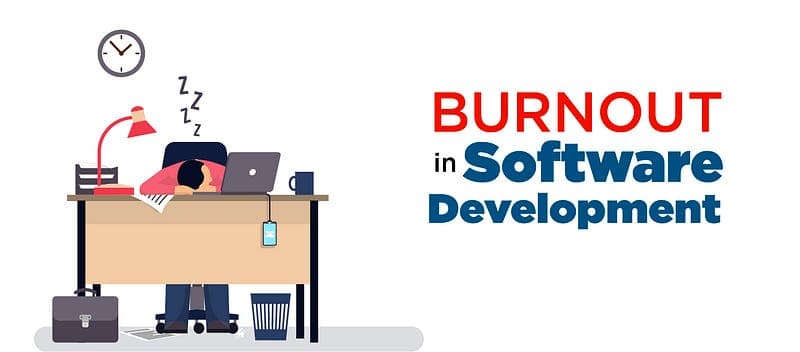
- Delegate tasks to your team members according to their strengths, interests, and availability. You should not try to do everything yourself, as this will only lead to burnout and lower quality. Instead, you should empower your team members to take ownership of their tasks and provide them with clear expectations, feedback, and support. You should also leverage their expertise and input when making decisions or solving problems. You can use a tool like Slack or Microsoft Teams to communicate with your team members and track their progress.
- Break down your projects into smaller and manageable chunks. You should not try to tackle a whole project at once, as this will only overwhelm you and make you lose sight of the big picture. Instead, you should divide your projects into smaller milestones or deliverables that have specific goals, scope, and timelines. You should also define the success criteria for each milestone or deliverable so that you can measure your performance and adjust accordingly. You can use a tool like Jira or Asana to create and manage your project plans.
- Schedule time for each project in your calendar. You should not rely on your memory or intuition to work on your projects, as this will only lead to procrastination and distraction. Instead, you should allocate time for each project in your calendar and stick to it as much as possible. You should also block out time for other activities such as meetings, emails, breaks, and personal matters so that you can balance your work-life integration. You can use a tool like Google Calendar or Outlook Calendar to organize your schedule.
- Review your progress regularly and adjust accordingly. You should not assume that everything is going well with your projects unless you check it yourself. Instead, you should review your progress regularly (daily, weekly, or monthly) and compare it with your plan. You should also solicit feedback from your stakeholders (clients, users, managers) and incorporate it into your plan if needed. You should also celebrate your achievements (big or small) along the way and reward yourself for completing each milestone or deliverable.
- A lot of times as a software engineering manager your activities would mostly look like a project manager so it's important to have training on project management as this will help you manage your activities.
- I can not stress how much you need to sometimes in the midst of all the crazy timelines find a moment to give your team members a day or 2 to rest as I have found this to be very effective and even motivate them to work extra hours without you asking
Get new posts in your inbox
Occasional, practical notes on engineering leadership, fintech, and building with AI. No spam, unsubscribe anytime.
Comments (4)
Leave a Comment
Amara Nnamdi
April 27, 2023
This is why I keep coming back to this blog.
Megan Adams
April 17, 2023
EM for 9 years, was IC for 10 before that. Reading this on the walk in — the middle bit lands, because I spent this week navigating IC-to-manager transition on my org. Honestly the framing would have saved me at least a headcount ask I lost.
Christopher Hernandez
April 10, 2023
Does the approach here still hold on a 198-service estate? We're at the awkward middle and some of these patterns feel like they need a dedicated ops person to run properly.
Femi Adeyemi
March 22, 2023
Does the approach here still hold on a 109-service estate? We're at the smaller end of that and some of these patterns feel like they need a dedicated ops person to run properly.