The Evolution of Agile: Addressing Developer Concerns and Embracing Growth
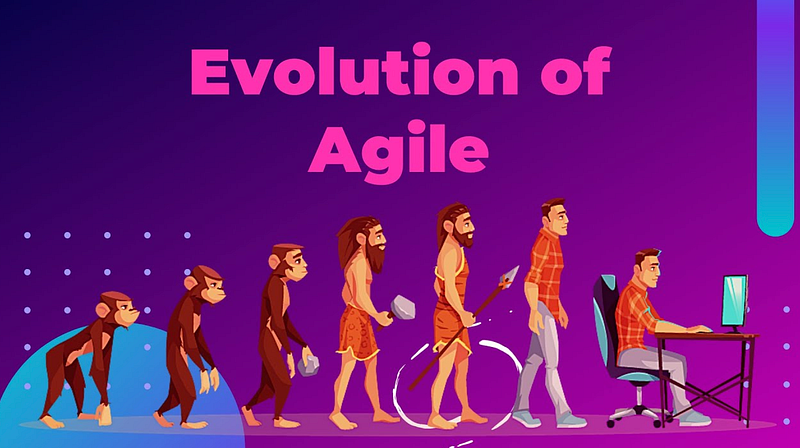
The Evolution of Agile: Addressing Developer Concerns and Embracing Growth

Introduction:
In the ever-evolving landscape of software development, agile methodologies have cemented their place as a dominant force. While agile brings a multitude of benefits such as stakeholder engagement, transparency, early delivery, improved quality, and customer focus, it is not without its challenges. In this article, we will explore six common concerns that developers have expressed about agile development. Additionally, we will examine how these concerns have evolved and how my own experience since the previous article in October 2019 has contributed to a more nuanced understanding of agile practices.
1. Agile as a Silver Bullet: Exploring Beyond the Buzzwords
Since agile gained popularity, many organizations rushed to adopt it without fully grasping its essence. As I highlighted in my previous article, the true meaning of agile lies beyond the labels of specific frameworks such as Scrum, Kanban, or Extreme Programming. Through my continued professional growth, I have come to appreciate the importance of experimentation, embracing new approaches, and tailoring agile practices to suit the unique needs of each project.
2. The Misconception of Daily Standups as the Sole Definition of Agile
While daily standups can provide value in fostering collaboration and communication, agile encompasses far more than this singular practice. Over time, I have deepened my understanding of agile’s broader principles, including flexibility, openness, collaboration, team spirit, and a relentless focus on delivering high-quality products that align with customer needs.
3. Differentiating Between “Agile” and Being Truly Agile
Enjoying this article?
Get more like it in your inbox — practical engineering leadership, fintech, and AI. No spam, unsubscribe anytime.
In my previous article, I highlighted the frustration many developers felt when encountering debates about the capitalization of “Agile” versus “agile.” However, I now recognize that the focus should extend beyond this linguistic distinction. Being truly agile goes beyond the surface-level adoption of agile practices; it requires a cultural shift and an ingrained agile mindset that values adaptability, continuous improvement, and customer-centricity.
4. Agile as a Scapegoat for Failed Projects
As my experience has grown, so has my appreciation for the fact that project success or failure cannot solely be attributed to the adoption of agile methods. Agile is a tool, a framework, and its effectiveness hinges on how it is implemented and embraced by decision-makers and teams alike. It is essential to understand that agile practices provide a valuable foundation, but their successful application requires a holistic approach that encompasses collaboration, effective leadership, and a focus on quality.
5. The Role of Documentation in Agile Projects
In my journey since 2019, I have come to realize that the misconception surrounding documentation in agile projects persists. While agile advocates for lightweight and focused documentation, it does not advocate for the complete elimination of documentation. Instead, documentation should be tailored to suit the specific needs of the project and the maturity level of the team. Agile development requires striking a balance between documentation that supports clarity, knowledge transfer, and compliance while avoiding excessive bureaucracy.
Conclusion:
As the software development landscape continues to evolve, so does our understanding of agile methodologies. Through my own growth since the previous article in October 2019, I have gained deeper insights into addressing the concerns developers have raised regarding agile development. Agile is not a one-size-fits-all solution, but rather a flexible framework that thrives on experimentation, continuous learning, and a relentless focus on delivering value to customers. By embracing these principles, we can forge a path toward successful, adaptive, and customer-centric software development practices.
Get new posts in your inbox
Occasional, practical notes on engineering leadership, fintech, and building with AI. No spam, unsubscribe anytime.
Comments (7)
Leave a Comment
Abiola Adekunle
August 4, 2023
Small addition: this only holds when the manager themselves has been coached this way. Copy-pasting the technique without the underlying model tends to fall flat.
Christopher Wright
August 3, 2023
Yes to all of this. Especially the closing.
Ayodeji Afolabi
July 23, 2023
Refreshing to read this framed for our market rather than lifted from a Silicon Valley playbook. Specifically the operational piece — the licence guys have opinions, and that changes the design constraints in ways the US-centric literature never touches.
Obinna Okoro
July 19, 2023
Small addition: the same techniques work about half as well when the team is fully remote across three timezones. The written-first shift really is the unlock.
Lauren Taylor
July 19, 2023
13 months into my first eng job at a mid-size fintech. Reading this on the walk in — the middle bit lands, because I spent this week in the middle of code review nerves on my team. Honestly the framing would have saved me at least one bad 1:1.
Zainab Bello
July 18, 2023
Does the approach here still hold on a 307-service estate? We're at the smaller end of that and some of these patterns feel like they need a dedicated ops person to run properly.
Amina Yusuf
July 17, 2023
Does the approach here still hold on a 200-service estate? We're at the smaller end of that and some of these patterns feel like they need a dedicated SRE to run properly.